
How to Fix Sticky or Dry Dough (And What Your Dough Is Really Trying to Tell You)
If your hands have ever been glued to a sticky or dry dough ball, you know the feeling — messy, frustrating, and confusing. On the other hand, when dough feels dry and stiff, shaping can feel like wrestling clay.
The truth is, both sticky and dry dough are completely normal in sourdough baking. They’re not failures — they’re signals. Sticky dough might mean your hydration is high or fermentation is moving fast. Dry dough often means your flour hasn’t absorbed enough water.
By learning how to fix sticky or dry dough, you’ll understand what your dough is saying and adjust confidently for perfect texture every time.
What Sticky Dough Means (and When It’s Normal)
Sticky dough isn’t always bad. In fact, it’s part of the process when you’re working with sourdough. The key is knowing when stickiness is expected and when it signals trouble.
Sticky Dough Early On
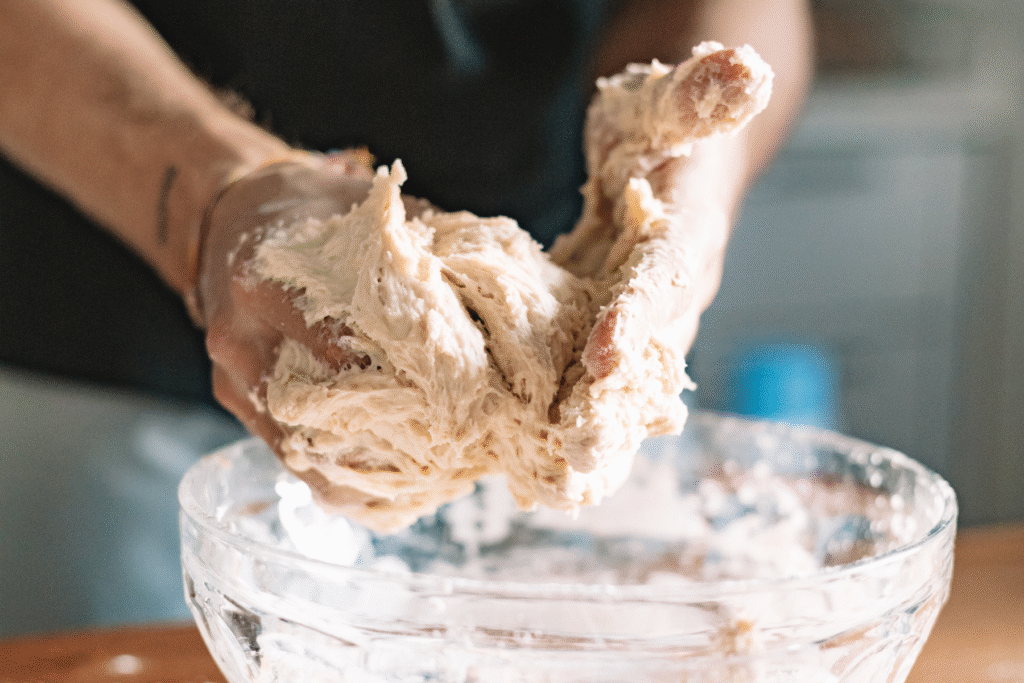
When dough feels sticky during mixing, that’s completely normal. Your flour is still hydrating and the gluten hasn’t developed yet. Give it time, folds, and rest.
Sticky Dough During Bulk Fermentation
If your dough feels slightly tacky mid-bulk, it’s still on track. High-hydration recipes or whole-grain flours naturally feel stickier. Keep folding and let time do its job.
Sticky Dough After Bulk or During Shaping
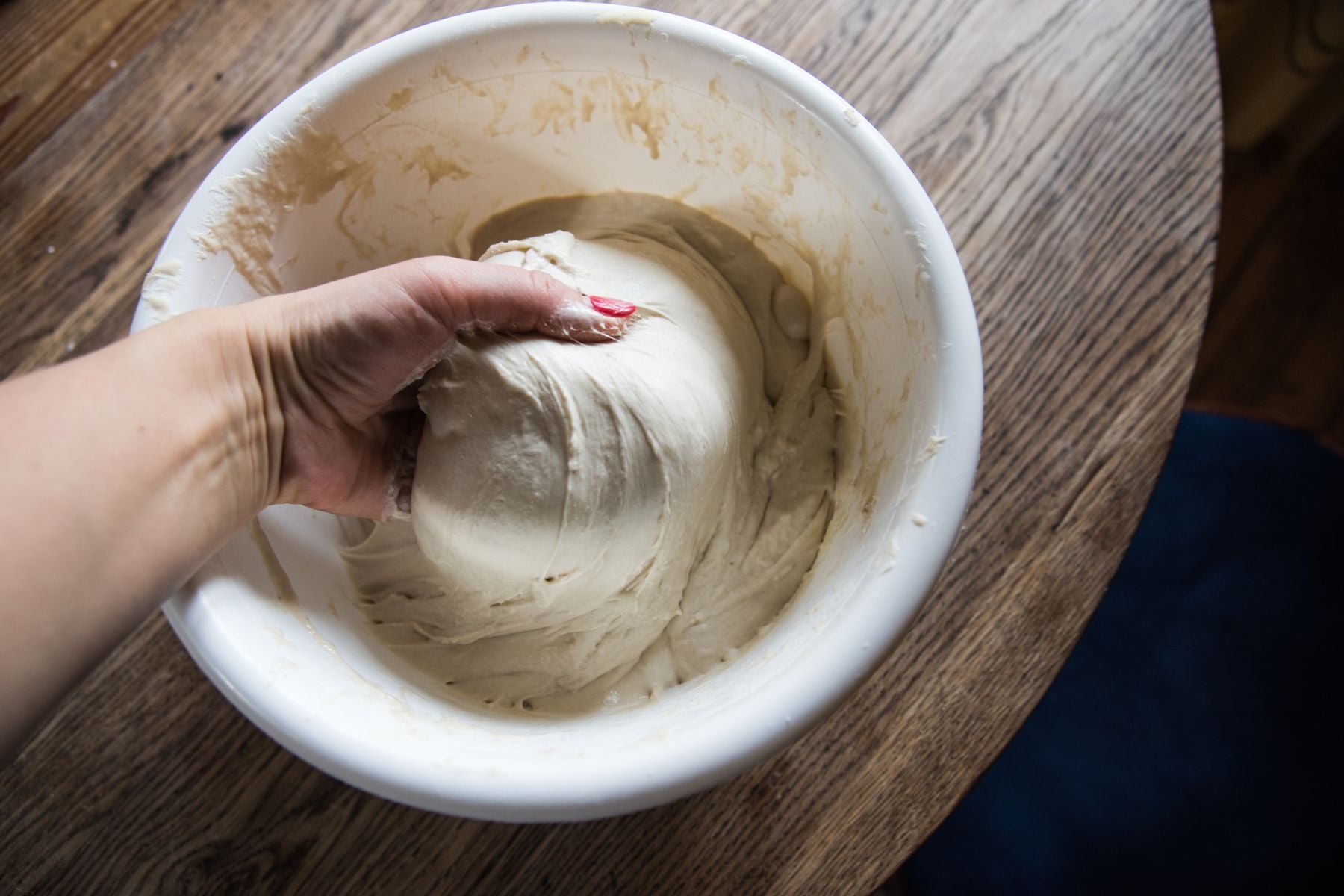
When the dough feels loose, soupy, or stretchy like glue, it’s a red flag. That means overfermentation — the gluten network has broken down. Yeast and bacteria have used up the sugars, leaving weak structure.
To fix it, shorten your fermentation or refrigerate halfway through bulk.
Two Types of Stickiness in Dough
| Type | Feels Like | Cause | Fix |
| Hydration Sticky | Smooth and tacky | High hydration or underdeveloped gluten | Mix longer or fold more |
| Fermentation Sticky | Loose, glue-like | Overfermentation or weak gluten | Shorten fermentation or cool the dough |
How to Fix Sticky Dough
If you’re dealing with sticky dough, don’t panic. Try these simple fixes:
- Avoid adding too much flour. Sprinkle lightly; extra flour can dry the dough and stiffen the crumb.
- Strengthen the gluten. Add a few stretch-and-folds or a brief mix. Stronger gluten reduces stickiness.
- Cool it down. Warm dough ferments faster and gets sticky. Keep bulk around 75–78°F.
- Use wet or oiled hands. Water or olive oil prevents sticking without changing hydration.
- Check your salt timing. Salt tightens gluten and regulates fermentation. Add it at the right stage to keep dough stable.
- Feed your starter regularly. A weak or acidic starter breaks down gluten and increases stickiness.
How Flour Type Affects Sticky or Dry Dough
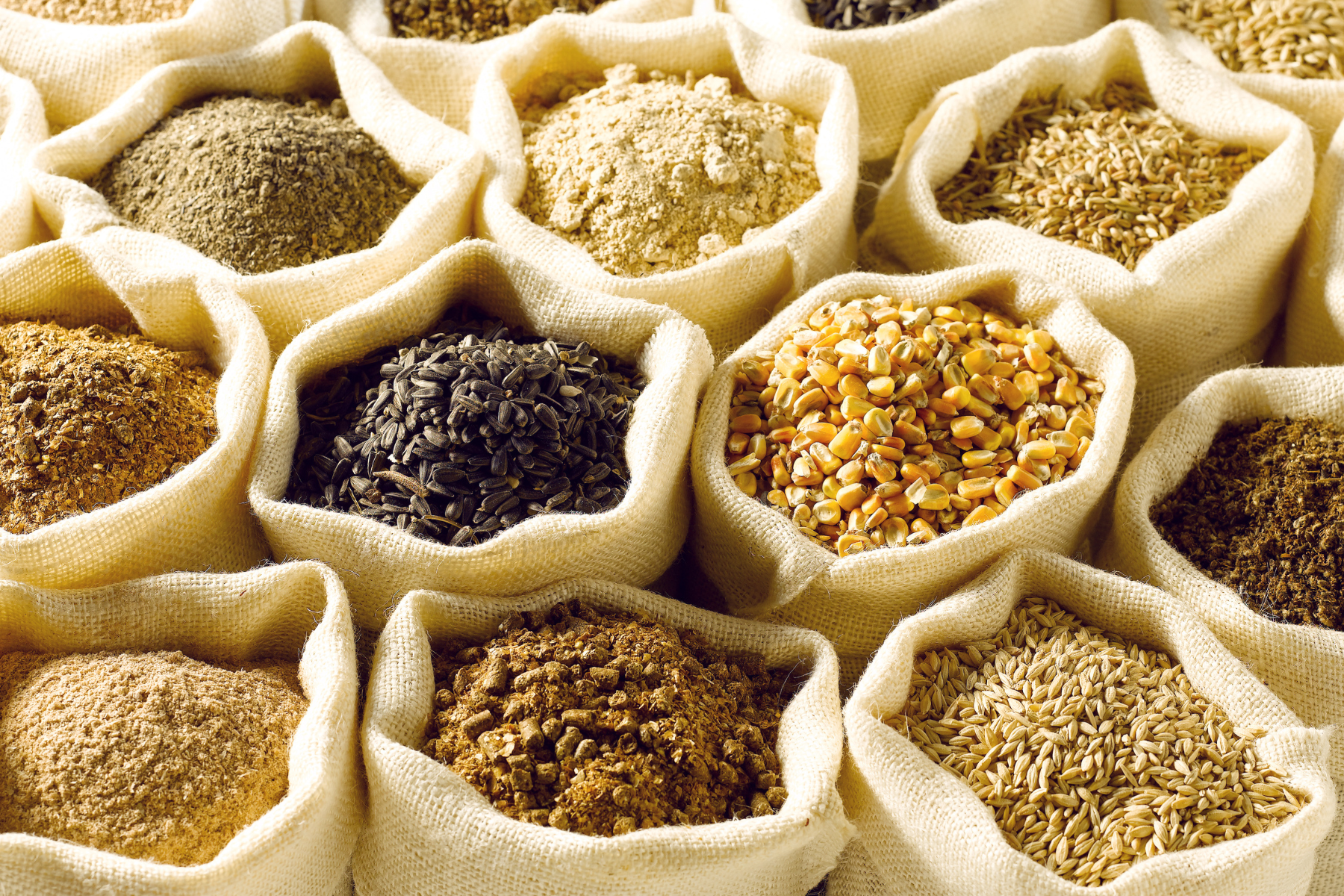
Flour choice plays a major role in how your dough behaves. Different flours absorb water differently and develop gluten to varying degrees — which directly affects whether your dough feels sticky or dry.
- Bread Flour (12–13% protein): High protein content builds strong gluten. Feels sticky at first but becomes smooth and elastic with proper mixing.
- All-Purpose Flour: Moderate protein and softer texture. Tends to feel slightly tackier during handling, especially in higher-hydration doughs.
- 00 Flour: Finely milled, low-protein flour with lower absorption. Dough made with 00 flour often feels soft and sticky unless hydration is reduced by 2–3%.
- Whole Grain and Rye Flour: Whole grain and rye flours retain more water due to higher bran and mineral content (technically known as ash content, a measure of how much of the whole grain is present in the flour). These doughs tend to stay tackier even when perfectly developed.. They also ferment faster due to enzyme and mineral activity.
- Ancient Grains (Einkorn, Spelt, Kamut/Khorasan): Naturally lower in gluten strength. Dough made with these flours often feels stickier and looser, even at moderate hydration.
- Important: This stickiness is not a flaw. Einkorn and Kamut don’t form strong gluten networks, so their dough will always feel more fragile and wet. Reduce hydration slightly and handle gently — less is more with ancient grain doughs.
💡 Pro Tip: When switching flours, especially to heritage grains, reduce hydration by 5–10% and expect a stickier texture even when the dough is well developed.
Note: Ash content refers to the mineral residue left after flour is incinerated — the more bran/germ present, the higher the ash. More ash = more absorption.
Temperature and Enzyme Activity
Temperature affects dough stickiness more than you might think.
- Warm rooms (80°F+): Enzymes break down gluten faster, creating sticky, slack dough.
- Cooler rooms (72–76°F): Fermentation slows down, allowing gluten to strengthen.
If your dough is sticky late in bulk, try lowering fermentation temperature or refrigerating mid-bulk.
🧂 Salt’s Role in Gluten Strength
Salt is more than a flavor booster. It tightens gluten bonds, making dough stronger and less sticky. If you forget salt during the autolyse, the dough may feel loose and tacky until you add it.
Why Dough Feels Dry
Dry or crumbly dough usually means your flour hasn’t absorbed enough water — or the environment has pulled moisture away.
Common Causes of Dry Dough
- Too little water or too much flour
- Cold ingredients that slow hydration
- Overmixing before resting
- Weak starter or low fermentation activity
- Air exposure during rest
How to Fix Dry Dough
You can easily bring dry dough back to life:
- Add water gradually. Mix in a teaspoon at a time until the dough softens.
- Use warm water (around 80°F). Warm water improves absorption.
- Let it rest. Even 30 minutes of autolyse helps flour hydrate.
- Cover it tightly. Prevent moisture loss by sealing the bowl or using a damp towel.
- Adjust humidity. Add slightly more water in dry climates or less in humid ones.
Starter Strength and Acidity
If your dough feels sticky and weak, your starter might be too acidic. High acidity breaks down gluten. To fix it:
- Feed your starter more frequently.
- Keep it at consistent temperature.
- Use it at its peak, not after collapse.
A healthy, balanced starter gives your dough strength and structure.
Recognizing Dough Stage Cues
| Stage | Texture | Meaning | Action |
| Early mix | Shaggy and sticky | Flour hydrating | Keep mixing |
| Mid-bulk | Smooth and tacky | Ideal gluten | Maintain folds |
| End bulk | Loose and soupy | Overfermented | Reduce time or temperature |
| Post-mix | Crumbly and stiff | Underhydrated | Add water or rest longer |
Bread Science Corner
When it comes to understanding sticky or dry dough, the world’s leading baking experts all agree on one thing: texture is feedback. Your dough’s feel reveals what’s happening inside the gluten network, hydration, fermentation, and strength.
1. The Perfect Loaf
Maurizio Leo emphasizes that a weak, wet, or collapsing dough after bulk fermentation usually points to overhydration or insufficient gluten strength. In his shaping guide, he explains:
“If the dough feels weak and fails to smooth and hold its shape by the end of bulk fermentation, it is either over-hydrated or under-strengthened.”
Source: The Perfect Loaf – How to Shape a Boule
He also notes that excessive hydration or weak gluten creates a dough that appears “wet and soupy”:
“An over-hydrated bread dough will shred apart and look wet and soupy.”
Source: The Perfect Loaf – Mixing Bread Dough
2. Modernist Bread
The team behind Modernist Bread explains how gluten structure weakens as fermentation progresses beyond its ideal point:
“When carbon dioxide exerts more pressure than a proofed dough can withstand, the gluten structure weakens, releasing the gas and deflating the overproofed dough.”
Source: Modernist Bread – Gluten Up Close
While they describe it in terms of gas pressure and structural collapse rather than “stickiness,” this same breakdown results in dough that feels loose, wet, and difficult to shape, identical to the experience of overfermented sourdough.
3. King Arthur Baking Company
King Arthur Baking highlights that high-hydration and whole-grain doughs naturally feel stickier and require gentler handling:
“Sometimes sticky, these doughs benefit from a delicate touch and may require new techniques: like folding rather than kneading and loose shaping.”
Source: King Arthur Baking – With Bread, Is Wetter Better?
They also note that even very sticky doughs can develop strength through proper mixing:
“By cutting the dough … a loose, shapeless dough turns into a more tautly formed mass.”
Source: King Arthur Baking – To Knead Sticky Bread Dough, Adopt the Chop
Across these professional sources:
- Sticky dough early in mixing is normal and expected due to high hydration or developing gluten.
- Sticky or soupy dough after bulk fermentation indicates structural weakening or overfermentation.
- High-hydration doughs (especially whole-grain or rye) are inherently tackier but not “wrong.”
- Dry or cracked dough generally signals low hydration or air exposure — a point acknowledged by King Arthur and Modernist Bread in their texture troubleshooting guides.
In other words, if your dough feels sticky, you’re witnessing fermentation and hydration in action. The goal is to learn whether that stickiness means life, or overwork.
Troubleshooting Chart for Sticky or Dry Dough
| Problem | Likely Cause | Quick Fix |
| Sticky during mix | High hydration | Mix longer or fold more |
| Sticky after bulk | Overfermented | Shorten fermentation or chill mid-bulk |
| Sticky after shaping | Weak gluten | Use cold dough or lower hydration |
| Crumbly texture | Low hydration | Add small amounts of water |
| Tears when stretching | Weak gluten | Rest or strengthen folds |
| Dry cracked top | Lost moisture | Cover the dough properly |
| Feels tight and dense | Too much flour | Extend rest period |
Humidity and Climate Adjustments
Flour naturally absorbs moisture from the air. In humid climates, reduce hydration slightly. In dry climates, add 2–3% more water. This small change keeps your dough balanced and prevents extremes.
Recommended Tools
This post contains affiliate links, including Amazon links. As an Amazon Associate, I earn from qualifying purchases. If you click through and buy something, I may receive a small commission, at no additional cost to you. I only recommend tools I personally use and love in my sourdough baking.
- Bench Scraper: Essential for handling sticky dough.
- Mixer: For even gluten development.
- Digital Thermometer: To monitor dough temperature.
- Weck Jars or Cambro Containers: To prevent drying.
- Danish Dough Whisk: For efficient mixing.
Sticky or dry dough doesn’t mean you failed
Sticky or dry dough doesn’t mean you failed — it means your dough is communicating. Every batch reveals something about hydration, timing, and environment.
Sticky dough shows life and activity. Dry dough simply needs a little more care. Once you start reading these cues, baking becomes intuitive — a conversation between your hands and your starter.
So next time the dough clings or cracks, pause, adjust, and trust yourself. You’re learning to listen — and that’s where every great baker begins
Related Articles
- Baker’s Percentages Explained
- Getting Started With Sourdough
- Autolyse & Fermentolyse Techniques Explained (coming soon)
- Bulk Fermentation: The Good, The Bad & The Ugly (coming soon)
- Aliquot Method for Perfect Fermentation Timing (coming soon)
Frequently Asked Questions
1. Should I flour my hands or wet them?
Wet or oil your hands. Flour changes hydration; water or oil prevents sticking naturally.
2. Why is my dough sticky after bulk?
It’s overfermented. Reduce fermentation time or refrigerate during bulk.
3. Can I fix overhydrated dough?
Yes. Add folds and cool it slightly to firm up the structure.
4. Why does my dough dry out during proofing?
Uncovered dough loses moisture quickly. Keep it sealed.
5. Can olive oil help sticky dough?
Yes. Oil creates a thin barrier and improves handling.
6. Why is my dough sticky and tearing?
That mix of signs means overfermentation. Gluten has broken down.
7. What’s the ideal dough feel?
Soft, supple, and slightly tacky. It should stretch smoothly without tearing.
8. How can I fix dry dough before bulk?
Add a little water and rest the dough. Autolyse helps rehydrate flour evenly.