
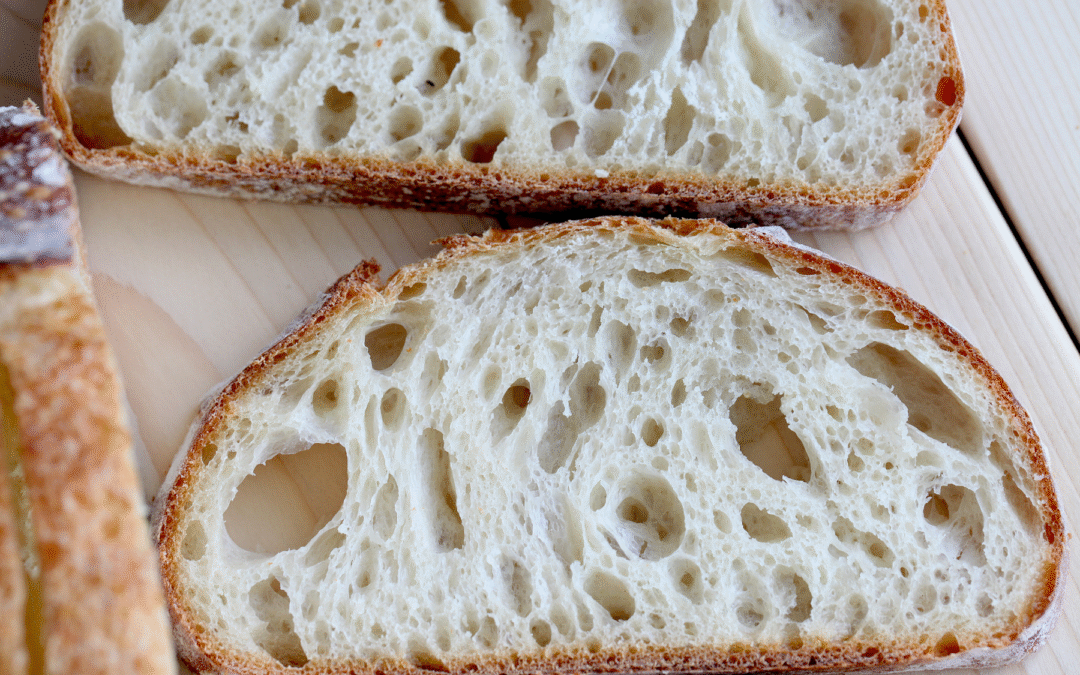
5,000 Years Ago, Food Was Medicine
Picture this: you sit down to enjoy a warm slice of bread, but instead of bloating or a heavy crash, you feel nourished, light, and satisfied. That’s the heart of why sourdough bread is better for your health — it’s bread that loves you back. For thousands of years, people baked bread this way. It wasn’t packed with additives, preservatives, or fast-rise yeast. It was slow, natural, and alive.
That bread was — and still is — sourdough bread.
If you’ve ever wondered exactly why sourdough bread is better for your health, this post breaks it down simply and clearly. We’ll explore the science, the benefits you can feel, and who sourdough helps most.
👉 New to sourdough? First, check out my What Is Sourdough Bread? article to learn the basics of sourdough starters, fermentation, and how it all works.
What Changed with Modern Bread
For over 5,000 years, sourdough was the bread of everyday life. It relied on natural fermentation — wild yeast and lactic acid bacteria working together over time. But in the last century, bread shifted from slow food to fast food.
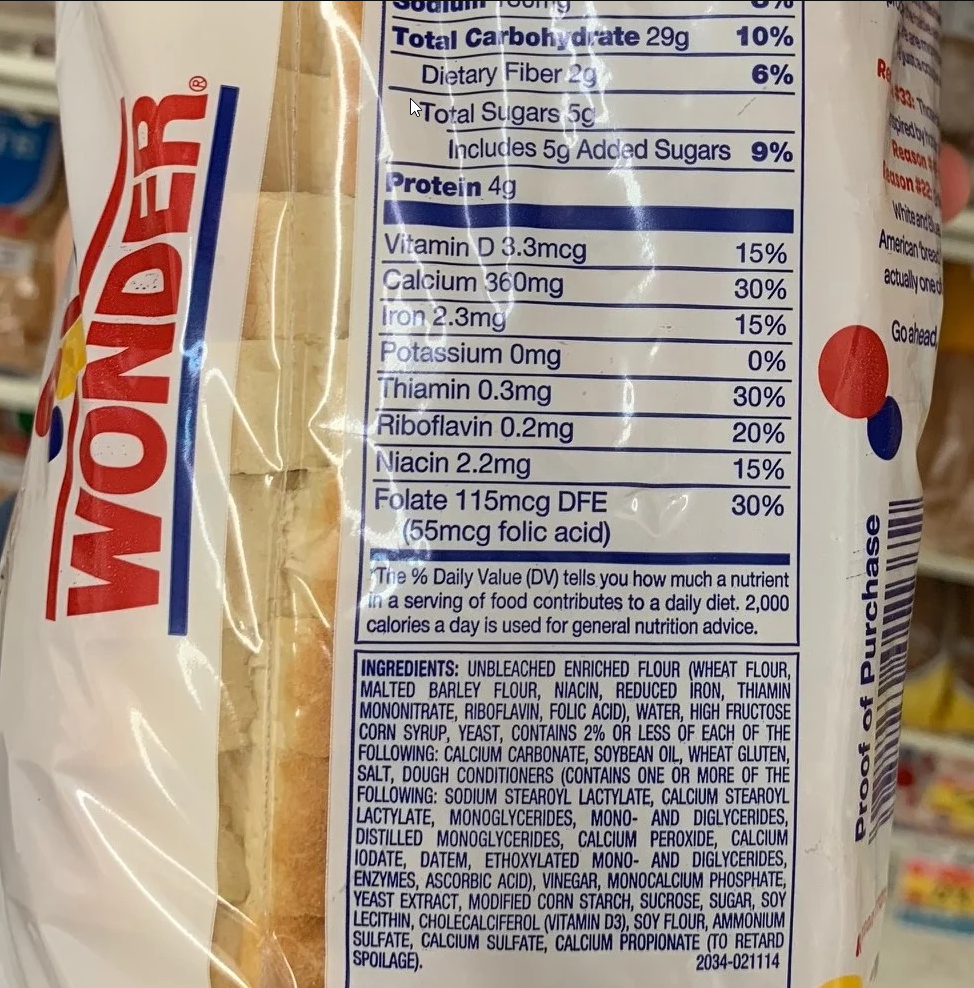
❌ Modern bread: commercial yeast, refined flour, added sugars, preservatives, and hard-to-pronounce ingredients.
✅ Sourdough bread: slow-fermented, natural, and nourishing, just flour, water, salt, and time (with occasional enrichment like milk or honey).
This difference is what makes sourdough so much gentler and healthier. Look at the list of ingredients in Wonder Bread Sliced Bread.
The Health Benefits:
Why Sourdough Bread Is Better for Your Health
Easier on Digestion
Fermentation “pre-digests” gluten and breaks down phytic acid, the compound that blocks nutrient absorption. This is one reason why sourdough bread is better for your health if regular bread leaves you feeling bloated.
(Source: Mayo Clinic)
A 2023 review of 25 studies showed that people who switched from bread made with baker’s yeast to sourdough bread reported significant improvements in gastrointestinal comfort. (Health.com).
That’s why many people with sensitive digestion feel better choosing sourdough over conventional bread.
Supports Gut Health
Here’s the truth: baked sourdough bread doesn’t contain live probiotics — the heat of baking kills them off. Instead, sourdough is rich in prebiotics: fibers and compounds that act like fuel for the good bacteria already living in your digestive system.
That prebiotic power helps support a healthier microbiome and, in turn, strengthens your immune system.
And even before baking, the fermentation process allows lactic acid bacteria to thrive. These natural microbes are responsible for sourdough’s tangy flavor — and they’re also the reason sourdough can help maintain a more balanced gut environment (Harvard T.H. Chan School of Public Health).
Blood Sugar Balance
Unlike conventional white bread, sourdough causes a slower, steadier rise in blood sugar. This is thanks to the acids created during fermentation, which change the way starches are digested.
Glycemic Index Comparison
- White wheat bread: ~71
- Sourdough bread: ~54 (Health.com)
This is one reason sourdough is often recommended for people monitoring blood sugar, diabetes, or energy crashes.
Nutrient Absorption
Fermentation makes minerals more bioavailable, meaning your body can actually absorb and use them.
Nutrients boosted by sourdough fermentation include:
- Iron (for energy and oxygen transport)
- Zinc (for immunity and healing)
- Magnesium (for muscles, nerves, and blood sugar balance)
- Selenium & Manganese (for cell protection)
- B Vitamins (for metabolism and brain health)
This is what makes sourdough nutrition unique: the same flour becomes more nourishing once it’s naturally fermented.
Naturally Longer Shelf Life
The organic acids produced during sourdough fermentation don’t just benefit your gut — they also act as natural preservatives. That’s why sourdough stays fresher longer than most commercial breads, without chemical additives.

Who Benefits Most from Sourdough Bread
While sourdough can benefit almost everyone, it’s especially helpful for:
- Those with sensitive digestion → less bloating, easier breakdown of gluten and FODMAPs.
- People managing diabetes or blood sugar swings → lower glycemic impact helps stabilize energy.
- Individuals with kidney or heart concerns → homemade low-sodium (or no-sodium) sourdough is a cleaner option. Try my NO Sodium Sourdough Bread Loaf Recipe here.
- Wellness-minded food lovers → anyone wanting to enjoy more natural, healthy sourdough options without additives.
⚠️ Friendly disclaimer: This information is for educational purposes only. Always consult your doctor before making dietary changes, especially if you have conditions like diabetes, kidney disease, or heart concerns.
👉 If you’re gluten-free, don’t worry, check out my Gluten-Free Sourdough Bread Recipe
for options that fit your lifestyle.
The Grocery Store Trap: Is It Real Sourdough?
Most supermarket “sourdough” looks the part — but often isn’t.
❌ Instead of being slow-fermented, many loaves are rushed with commercial yeast, preservatives, and additives. They might taste tangy, but that doesn’t make them true sourdough.
✅ Real sourdough is alive. It’s naturally fermented with just flour, water, and a starter full of wild yeast and lactic acid bacteria. That slow process is what gives it the gut-friendly benefits you’ve heard about.
👉 Pro tip: if you’re not sure, ask your baker how the bread was made or scan the ingredient list. If you see commercial yeast or additives, it’s not real sourdough.
Beyond Bread: Sourdough in Everyday Foods
Sourdough isn’t just about rustic boules and crusty loaves. Once you have an active starter, it becomes the secret ingredient you can fold into almost anything you bake or cook. That means you get the same health benefits — easier digestion, gut-friendly microbes, better nutrient absorption — in foods you already love.
- Sourdough Pizza – A bubbly, light crust that’s crisp on the outside and tender inside. It’s easier to digest than standard pizza dough and tastes like something straight out of a wood-fired oven.
- Sourdough Pasta – Imagine your favorite comfort food, but with a deeper flavor and more nutrition packed into every bite. The slow fermentation makes it gentler on your stomach while still giving that al dente bite.
- Cookies, Cakes, and Crackers – Adding a spoonful of starter to your batters and doughs gives desserts and snacks a subtle tang and complexity. It’s a little twist that makes familiar treats taste gourmet.
The truth is, once you start experimenting, sourdough has a way of sneaking into everything. From Saturday morning pancakes to savory focaccia, it turns ordinary recipes into nourishing, memorable meals. Bringing sourdough into your kitchen means bringing creativity, flavor, and health into every corner of your cooking.
Below is a picture of my fresh homemade Sourdough Pasta. Get the recipe for my Sourdough Fettuccini.

What the Research Really Says
Early studies and clinical reviews show real promise: improved digestive comfort, lower glycemic index, and better nutrient absorption.
However, experts also note that more long-term research is needed to fully understand how sourdough affects health outcomes like diabetes or gut disorders (NCBI).
👉 Translation: sourdough isn’t a magic cure, buit it’s a healthier, more natural choice than most modern bread.
Helpful Terms to Know
Fermentation: The natural process where wild yeast and bacteria break down flour.
Sourdough Starter: A living mix of flour and water that powers sourdough.
Lactic Acid Bacteria: The microbes that improve digestion and gut health.
Glycemic Index: A measure of how quickly food raises blood sugar.
Frequently Asked Questions
Is sourdough bread healthy compared to regular bread?
Yes — sourdough is easier to digest, supports gut health, helps balance blood sugar, and makes nutrients more available compared to most modern breads.
Who benefits most from eating sourdough bread?
People with sensitive digestion, those managing blood sugar, anyone watching sodium, and wellness-focused eaters often benefit most. And anyone looking for a healthier lifestyle.
Does sourdough bread contain probiotics?
No — baking kills probiotics, but sourdough does contain prebiotics, which fuel healthy gut bacteria.
Is store-bought sourdough the same as real sourdough?
Usually not. Many supermarket loaves use commercial yeast or additives. True sourdough is naturally fermented with just flour, water, and salt.
The Bottom Line: Why Sourdough Is Better for Your Health
Sourdough isn’t just bread. It’s food that truly loves you back — easier to digest, better for your gut, supportive of blood sugar, and more nourishing overall.
For thousands of years, people knew intuitively why sourdough bread is better for your health — and modern science confirms it.
Today, it can still nourish you.
👉 Ready to try it yourself? Start with my Beginner Sourdough Starter Guide.
👉 Once your starter is thriving, bake your first loaf with my Beginner-Friendly Sourdough Bread Recipe.
And tell me in the comments: Are you more excited to start your own starter, or jump straight to baking your first loaf?