
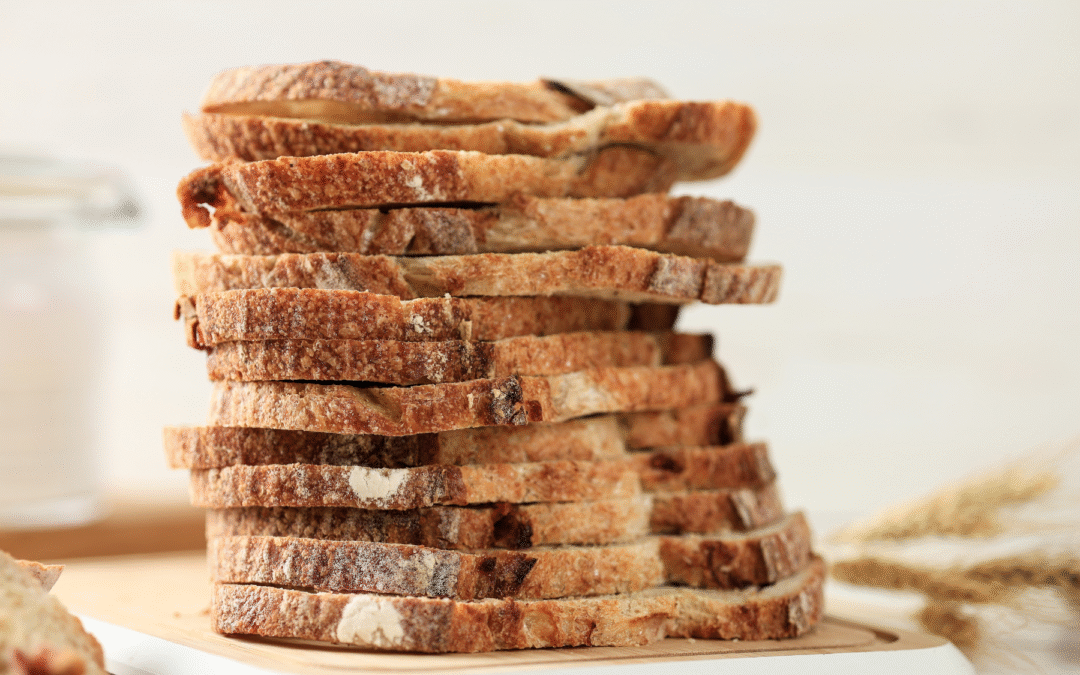
Most people freeze bread to stop it going stale. What many don’t know is the real health benefits of frozen bread go far beyond storage. Freezing changes the starches in bread in a way that can improve digestion, support your gut, and even lower blood sugar spikes. This isn’t foodie folklore, it’s backed by science. And when you combine freezing with sourdough, you get a powerful duo that helps digestion, blood sugar, and flavor all at once.
The Science Behind Freezing Bread
When bread is fresh out of the oven, its starches are soft and swollen from baking. As the loaf cools, those starches begin to reorganize in a process called retrogradation. This is where the health benefits of frozen bread start to shine. When you chill or freeze bread, retrogradation happens even more, transforming some of the starches into resistant starch that supports gut health and steadier blood sugar.
Why does that matter? Resistant starch doesn’t behave like regular starch. Instead of breaking down quickly into glucose, it moves slowly through your digestive system, acting a lot like fiber. As a result, you get a gentler rise in blood sugar, fewer energy crashes, and bonus food for your gut bacteria. Those bacteria ferment resistant starch into short-chain fatty acids, which support both gut and metabolic health. In other words, freezing bread helps your body handle carbs in a smarter way.
What Studies Reveal About Frozen Bread and Glycemic Response
Researchers have actually tested whether freezing bread changes how your body responds. A 2008 study in the European Journal of Clinical Nutrition compared four conditions of homemade bread: fresh, toasted, frozen then thawed, and frozen-thawed-then-toasted.
Here’s what they found:
- Toasting alone lowered the blood sugar spike compared to fresh bread.
- Freezing + thawing alone also helped.
- But freezing + thawing + toasting had the biggest effect, cutting the blood sugar rise by nearly 40%.
More recent studies confirm the same trend. Bread that has been frozen or chilled and then reheated produces a lower glycemic response than bread eaten fresh. So if you’ve ever wondered does freezing bread lower GI? — the answer is yes, and toasting makes it even better.
Why Freezing Bread Supports Blood Sugar and Gut Health
Freezing bread isn’t just a storage trick. It’s a way to make bread work harder for your body.
- Steadier blood sugar: Resistant starch slows digestion, meaning a more balanced glucose response.
- Happier gut: Resistant starch acts as prebiotic fiber, feeding healthy bacteria in your colon.
- Less carb stress: If you’re managing insulin resistance, diabetes, or carb sensitivity, freezing bread gives you an extra layer of support.
And remember, none of this replaces your clinician’s advice, but it’s a simple, evidence-backed step that can help make bread a healthier part of your meals.
Why Sourdough + Frozen Bread Are the Dream Team for Your Health
Sourdough is already special. Thanks to long fermentation with wild yeasts and lactic acid bacteria, sourdough bread naturally digests more slowly, lowers phytic acid (which blocks mineral absorption), and often produces a lower glucose response than commercial yeast breads.
Now add the freezing effect. When sourdough is frozen and then toasted, you’re stacking two benefits:
- Fermentation: breaks down gluten and makes nutrients more bioavailable.
- Freezing: boosts resistant starch for steadier blood sugar and better gut health.
That’s why sourdough + freezing bread is the dream team. You get incredible flavor, a longer shelf life, and bread that loves your body back.
How to Freeze Bread the Right Way
The good news is that freezing bread for health doesn’t require anything complicated. In fact, it’s the same process you’d use to keep bread tasting fresh, just done with purpose.
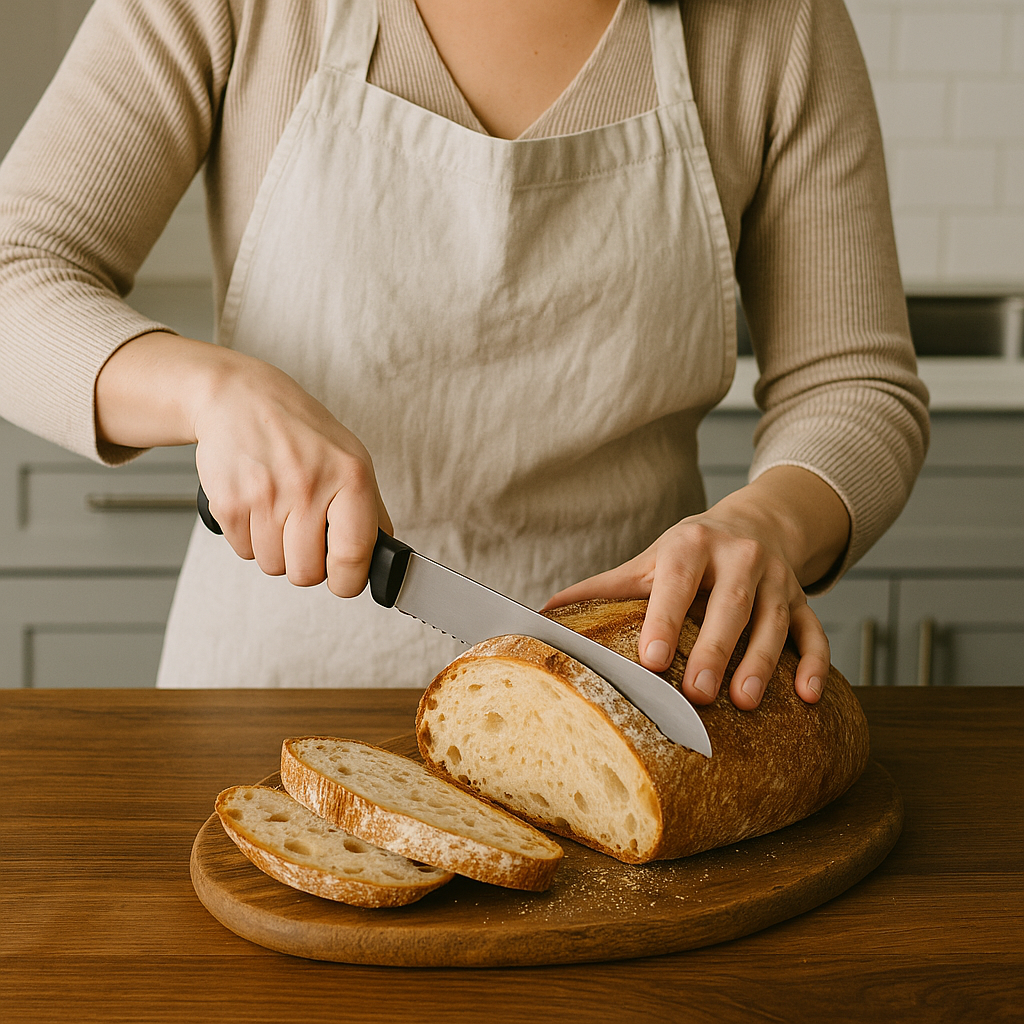
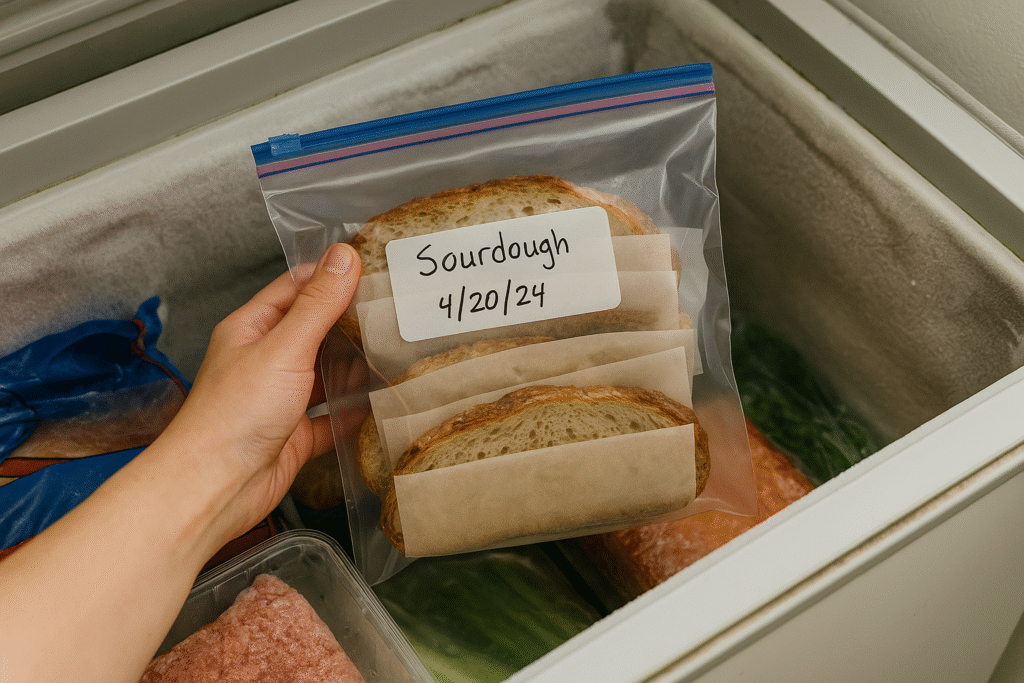
- Slice before freezing: This lets you grab only what you need. (I use this deli slicer I brought from Amazon).
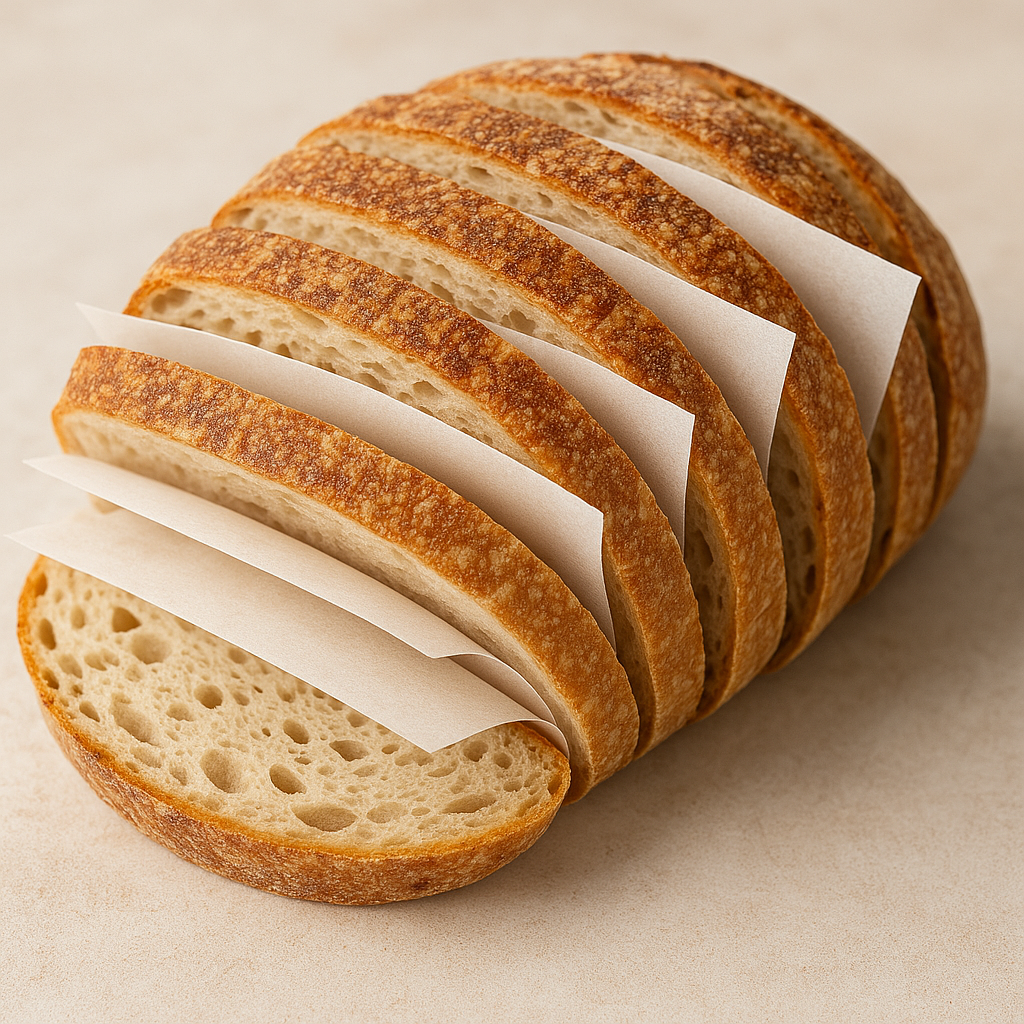
- Layer parchment between slices: Prevents slices from sticking together. ( I actually don’t do this step since I have no problems separating. However, it may depend on the bread, how it’s sliced, and hydration, etc.
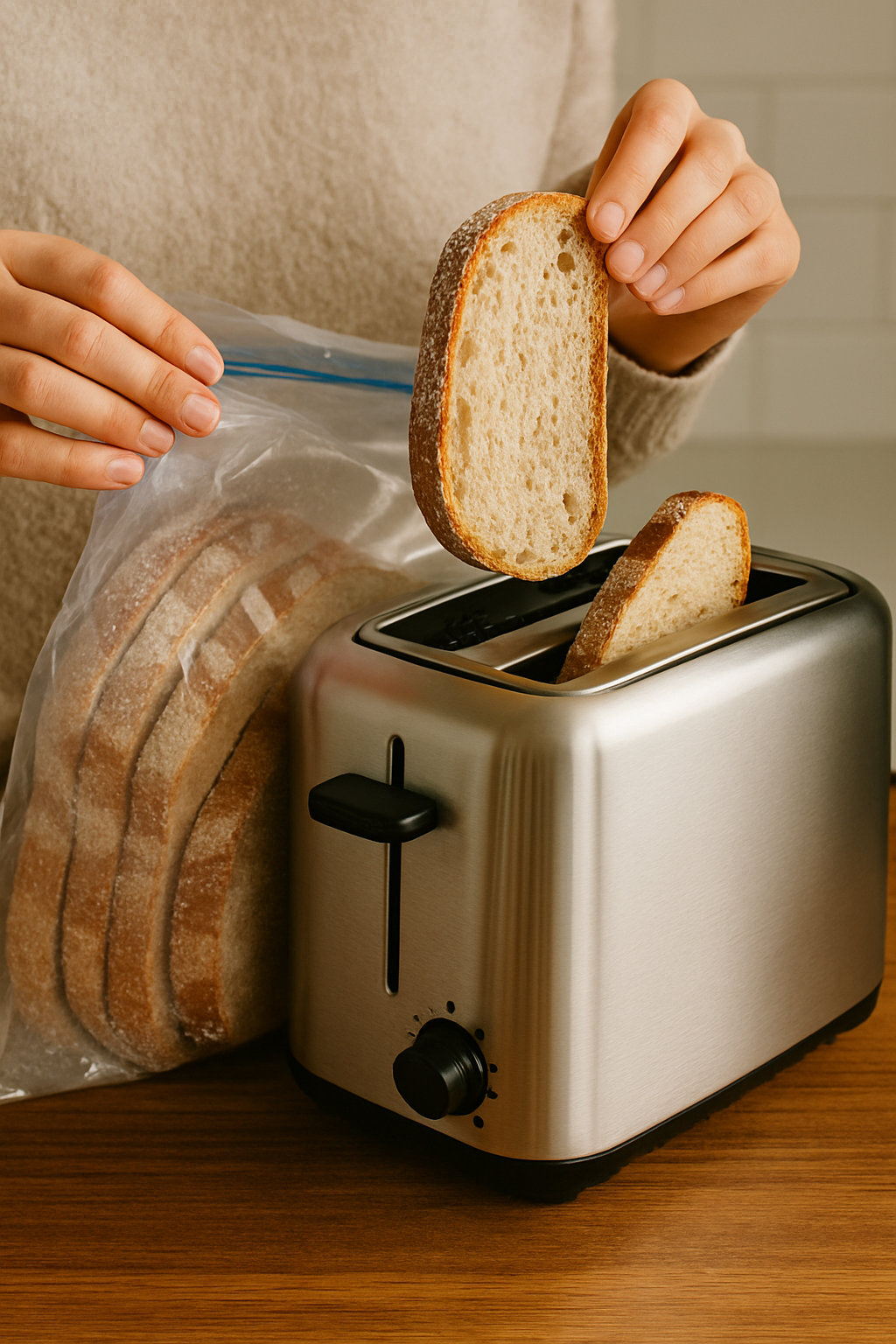
- Wrap airtight: Use freezer-safe bags or reusable silicone bags. For whole loaves, wrap in parchment, then foil, then bag.
- Label and date: Bread is best within 2–3 months for flavor and texture.
- Toast from frozen: Skip thawing. Toasting straight from frozen keeps the starch structure intact and brings back fresh-baked taste.
These simple steps help lock in the the health benefits of frozen bread while making your loaf last longer.
Frozen Bread Facts vs Myths
Some people worry that frozen bread is less nutritious. It isn’t. Freezing doesn’t destroy nutrients, it simply pauses the loaf where it’s at. Others say frozen bread tastes stale, but staling is more about air and moisture than cold. If you wrap it well and toast before eating, frozen bread can taste as fresh as the day it was baked. And while the landmark study was done with white bread, the chemistry is about starch, not color. Whole grain breads, and especially sourdough, still benefit.
Is frozen bread healthy?
Yes. Freezing doesn’t damage nutrients, it preserves them. In fact, freezing actually increases resistant starch, which makes bread healthier than when it’s fresh.
Does freezing bread make it stale?
Not if you store it properly. Staling comes from moisture loss, not freezing itself. Wrap it tightly and toast from frozen, and it will taste like it just came out of the oven.
ScienceDirect
Does freezing bread only help white bread?
White bread is what most studies tested, but the mechanism is starch chemistry, not color. Whole wheat and sourdough bring their own advantages and can still benefit from cooling.
PubMed
Freezing Bread as a Health Hack
Bread often gets blamed for blood sugar spikes, but science shows there are simple ways to enjoy it without the crash. Freezing bread creates more resistant starch. Toasting frozen slices brings back flavor and texture. And when you choose sourdough, you’re stacking the benefits of natural fermentation with the freezer’s magic.
So the next time you bake or buy a loaf, don’t just think of the freezer as storage. Think of it as part of the recipe for unlocking the full potential health benefits of frozen bread your body deserves.
👉 Ready to experience it for yourself? Start baking your first loaf today: Learn how to create your first sourdough starter here or try our Beginner-Friendly Sourdough Bread Recipe.
Have you tried freezing and toasting your sourdough yet? Did you notice a difference in taste or how you felt after eating it? Share your experience in the comments below, your story might inspire someone else to give it a try.

I definitely enjoy frozen bread even more delighted to hear about the enhanced benefits freezing will bring. I am intending to share this useful info with friends.
That’s great Dave. Do you let it defrost or do you toast from frozen?